In plain English
- What happened
- AI chatbots such as ChatGPT can generate multiple opening lines, or "hooks," for a short video in a few seconds, and platforms including YouTube and TikTok publish their own guidance on what keeps a viewer watching past the first few seconds of a Short or a video.
- Why it matters to your business
- A business owner filming product demos or testimonials rarely has a marketing team to test ten different openings, so a drafted shortlist from a chatbot can save real time. Platform guidance is consistent on one point, though: what keeps someone watching is decided by what happens on screen in those first seconds, not by how clever the line sounds when it is typed into a prompt box.
- Do this
- Open a free chatbot account, paste three recent video ideas, ask for five opening lines for each, then record the two that sound least scripted when read out loud.
A hook is the first line or first few seconds of a short video, built to stop someone from scrolling past. Writing a dozen variations by hand takes time most small business owners do not have between appointments, so it makes sense to ask a chatbot to do the first draft.
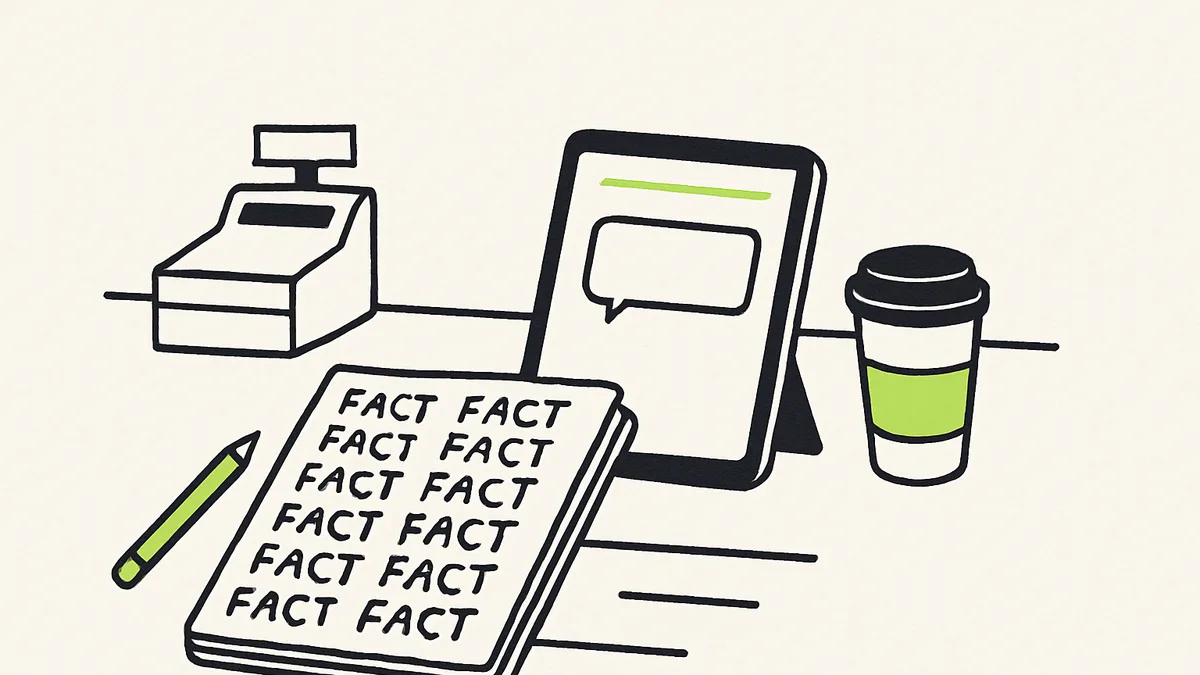
ChatGPT and similar tools can generate a batch of opening lines almost instantly once given a topic, a tone and an audience. That is genuinely useful for getting unstuck, and it is one of the more low-risk uses of AI for a small business because nothing goes out the door until a person reads it back.
What the platforms themselves say matters
YouTube's own help pages for Shorts point creators toward holding attention through pacing, visuals and what is happening on screen, not through a clever first sentence alone. TikTok's Creative Center is built around the same idea from a different angle: it shows creators what is actually performing well currently, because what works changes week to week.
Neither platform publishes a formula that guarantees a hook will work. Retention is measured after the video is live, based on real viewers, not predicted from a script in advance.
Platform guidance centers on pacing and visuals in the opening seconds, not on the specific words of a scripted line.
Where a chatbot helps and where it does not
A chatbot is good at producing options fast and breaking writer's block. It does not know your product, your customers' faces, your shop's lighting, or how awkward a line sounds coming out of your own mouth. It also has no way to test which version actually keeps people watching until it is posted.
- 1
Draft a batch of hooks
Describe the video topic, the audience, and the platform to a chatbot, and ask for five to eight short opening lines rather than full scripts.
- 2
Read every option out loud
Lines that work on the page often sound stiff spoken. Cut anything that does not come out naturally on the first try.
- 3
Match the hook to real footage
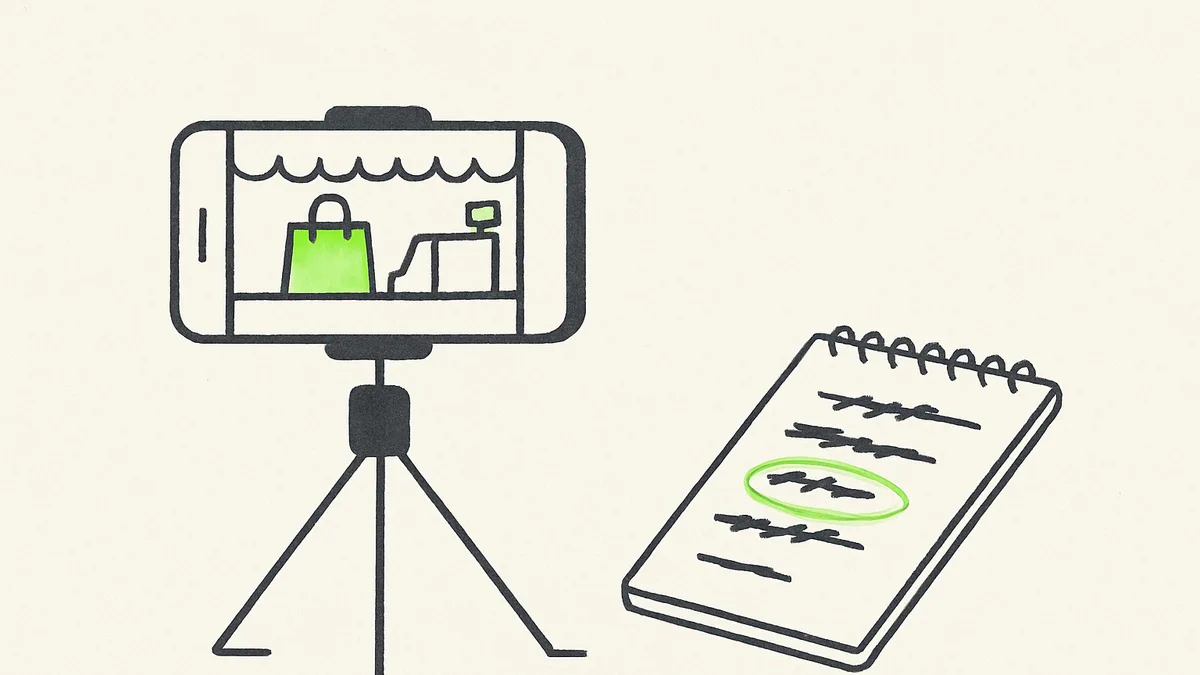
Pick the opening line that pairs with your strongest few seconds of visual footage, not the cleverest sentence by itself.
- 4
Post and check retention, not likes
YouTube Studio and TikTok's analytics both show how long viewers stayed before dropping off; that number tells you more about the hook than comments do.
- 5
Keep what worked, drop what did not
Save the opening lines that held attention and reuse that structure for the next batch of videos instead of starting from zero each time.
I'm making a short video for [platform] about [topic/product]. My audience is [who watches your business]. Write 6 short opening lines (under 8 words each) that would make someone stop scrolling in the first second. Keep the tone [casual/professional/funny] and avoid anything that sounds like an ad.
Reality check
No prompt, formula or course guarantees a video will perform well. A hook that worked for one business may not work for another, because retention depends on the footage, the audience and the platform's current algorithm, none of which a chatbot can see.
Sources