In plain English
- What happened
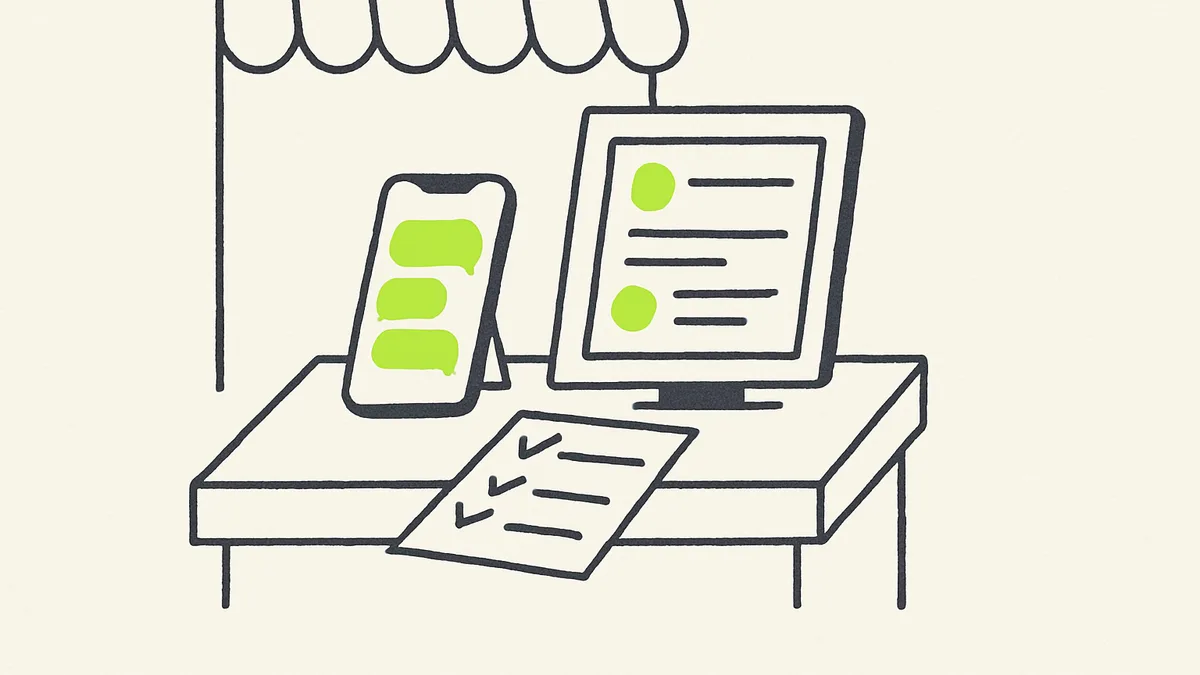
- Several customer-service platforms now sell an AI agent built to answer customer questions when no staff are on shift, then hand off anything it cannot resolve to a person the next business day. Intercom's Fin AI agent and Zendesk's AI agents are both marketed this way, trained on a business's own help articles and past support conversations rather than the open internet.
- Why it matters to your business
- A question that arrives at 9pm and gets no answer until the next afternoon is often a lost booking or a lost sale, especially for service businesses that take appointments or quotes. These tools can close that gap for simple, repeated questions, but the same speed that makes them useful after hours also means a wrong answer goes out with nobody checking it first.
- Do this
- Pull the ten questions your business gets asked most often by phone or text, and run them through a trial of one after-hours chat tool before turning it loose on real customers unsupervised.
Yes, for a narrow set of questions. An after-hours AI chatbot is not answering on instinct the way a person would. It is matched against your own help center content, FAQ pages, pricing sheets and past support conversations, and it answers when the question is close enough to something it has already seen.
What these tools actually do
Intercom describes its Fin AI agent as resolving customer conversations on its own, using the content a business has already published in its help center, without a person joining the chat. Zendesk's AI agents work the same way: fed a business's existing support material, then set loose to answer new questions that match it closely enough.
That covers the questions small businesses get asked on repeat: What are your hours? Do you take walk-ins? What does a consultation cost? Is there parking? Those questions have one correct answer that rarely changes, which is exactly the kind of thing these tools are trained on and good at.
What they cannot do
A question outside that material is where the risk starts. A customer asking about a specific medical condition, a legal question about a contract, or a complaint about a bad experience needs judgment the tool was not trained on. Both Intercom and Zendesk build in a handoff step for exactly this: the bot recognizes it cannot resolve the conversation and routes it to a human queue instead of guessing.
Reality check
The handoff only works if someone actually checks that queue first thing in the morning. A chatbot that quietly routes unanswered questions to an inbox nobody opens until Thursday is worse than no chatbot at all, because the customer believes they've been heard.
Before turning on an after-hours bot
- 1
List your ten most common questions
Pull them from texts, emails, phone messages or whatever you already use to talk to customers. These become the test set for any tool you evaluate.
- 2
Check what content the tool is trained on
Both Intercom's Fin and Zendesk's AI agents draw from your own help articles and support history. If your help center is thin or out of date, the bot's answers will be too, so this is worth fixing first.
- 3
Run your test questions through a trial
Most platforms offer a free trial or demo. Feed it your real ten questions before a single real customer sees it, and note anywhere it guesses instead of admitting it doesn't know.
- 4
Set up the handoff and actually watch it
Confirm where unresolved conversations land, and put a specific person's name against checking that inbox each morning. An unmonitored queue defeats the purpose.
- 5
Review a week of transcripts
After the first week, read through what the bot answered and what it punted on. This tells you whether your help content needs updating or whether the tool is a mismatch for your business.
None of this requires a large budget or a technical hire. Both platforms are built for businesses without a dedicated support team, and the setup is closer to filling out a form than writing code. The time cost is mostly in writing down the answers you already know, which most small business owners have simply never put on paper.
The honest tradeoff is that an after-hours bot buys back the evenings and weekends spent answering the same five questions, at the cost of a little ongoing attention to make sure it's still answering them correctly. For a business fielding a steady stream of routine questions outside business hours, that trade is usually worth testing. For a business where most inbound questions are unique or sensitive, it may not save much time at all.
Sources